Remedies for Sleep
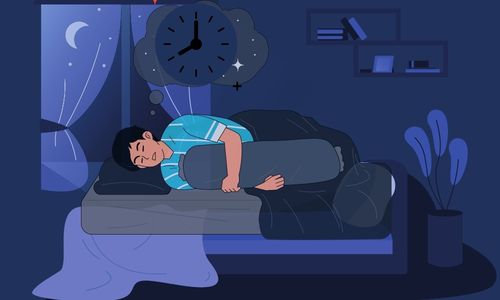
Remedies for Sleep
Remedies for Sleep. Getting a full night’s sleep means infusing your body with renewed strength. Sleep serves as a vital tool for the body—a resource without which we would likely be unable to find peace or maintain our physical well-being.
When the urge to sleep strikes, it pays no heed to your surroundings; instead, it begins to gently insist upon your body: “Accept me now, for I wish to grant you rest. During this period of repose, I will alleviate your fatigue and mild headaches, and I will repair any internal imbalances or toxins within your system.” Sleep bestows upon us, each day, a fresh perspective, a new beginning, and renewed hope. Moreover, it arrives punctually every day—provided, of course, that you have established a fixed and consistent bedtime routine.
Sleep can be induced in two distinct ways. The first is through one’s established routine—a natural process wherein sleep works to heal and restore the body, fulfilling its restorative purpose before departing. The second method involves forcing sleep—for instance, by taking sleeping pills (which are essentially capsules containing sedatives) or by consuming alcohol. This artificial form of sleep offers no true peace or rejuvenation, precisely because it does not align with the body’s natural sleep cycle. Since you have induced sleep arbitrarily—whether by taking a pill on a whim or consuming a strong drink—you are likely to wake up feeling groggy and fatigued.
For any individual to maintain good health, getting adequate sleep is absolutely essential. Ideally, if you experience high-quality, deep sleep, your body’s restorative needs can be met within just a few hours; however, according to general statistics and medical guidelines, six to seven hours of sleep is considered the optimal duration for the human body.
When a person is asleep, they are unaware of their sleeping posture or the specific position of their body parts. Therefore, it is advisable to take certain precautions before going to bed to ensure that no part of your body is subjected to strain or discomfort. If a specific limb or body part remains immobile in the same position for an extended period—say, two hours—nerves can become compressed, and blood circulation to that area may be restricted, potentially leading to physical discomfort or complications. To prevent this, it is recommended that you sleep on a soft, yielding mattress; this ensures that even if a body part remains under pressure, blood flow through the veins continues uninterrupted.
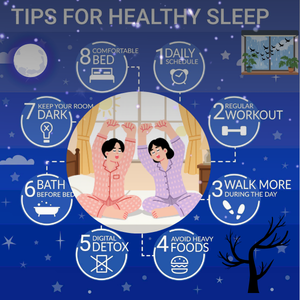
If you wish to achieve a good night’s sleep, there are several factors you can pay attention to that facilitate deep slumber. These include taking a bath before bed, eating a light dinner, maintaining a consistent bedtime every day, and refraining from using a TV or mobile phone for 30 to 60 minutes before going to bed. Additionally, try to walk as
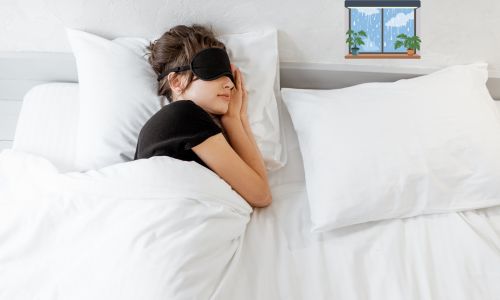
Remedies for Sleep
much as possible daily, avoid consuming coffee or tea at night before retiring, and engage in 20 to 30 minutes of exercise every day. These are some key points that can be highly effective in helping you achieve a restful night’s sleep.
Ways to Sleep
Remedies for Sleep. Going straight to bed immediately after finishing dinner is considered an unhealthy practice. After eating, you should take a short walk—covering at least 100 steps—before heading to bed; this makes it easier for the body to digest the food, ensuring that you can sleep soundly throughout the night.
Remedies for Sleep. When you do go to sleep after a meal, you should always lie on your left side. This positioning helps the food settle properly within the digestive system, thereby preventing any discomfort or disturbances that might interfere with your sleep.
Before getting into bed, make sure to let go of all the tensions and worries accumulated throughout the day. If you do not free yourself from these stresses, your mind will remain active even while you are asleep. This leads to various complications and prevents you from achieving a truly restful and complete night’s sleep. Ways to Sleep
Ways to Sleep
Ways to Sleep. To relieve stress, try recalling pleasant memories while you take your post-dinner walk—such as childhood mischief, school-day anecdotes, or conversations with friends that always bring you joy. Alternatively, listen to something that helps you feel relaxed—perhaps some instrumental music or your favorite song—something that allows you to forget everything else and simply hum along, letting all your worries fade away.
Some people choose to meditate for a short while to calm their minds and free them from tension, thereby shifting their mental state into a relaxed and peaceful mode.
Sleep comes much more easily when you are stress-free and physically tired. By “tired” here, we mean the physical fatigue that sets in after exercising or completing a task; therefore, if your daily work does not involve physical exertion, it is advisable to engage in exercise. This stimulates blood circulation and keeps your body active, which not only enhances your interest in every activity but also ensures a sound night’s sleep, leaving you feeling completely refreshed throughout the entire day.
What should be done for a good night’s sleep?
Remedies for Sleep. If you, too, wish to enjoy a good night’s sleep, you can significantly improve the quality of your rest by adopting a few simple habits. This, in turn, helps maintain your overall health and keeps your body’s muscles in good condition.
Sleep is absolutely essential for both our physical and mental well-being. In today’s fast-paced world, many people struggle with insomnia or poor sleep quality. This is partly because living in this modern era—with its unique demands and lifestyle norms—has become the standard way of life. While people in the past also lived full lives—often with great happiness—certain habits prevalent in today’s times have disrupted our natural rhythms, preventing us from getting adequate sleep. There are several reasons for this:
For instance, dietary habits: If we consume our meals—from breakfast to dinner—at consistent, timely intervals, our body naturally falls into a regular routine. Furthermore, nature designed the night specifically for sleep—to allow the body to rest and recuperate. If we adopt this routine, it leads to a marked improvement in the quality of our sleep.
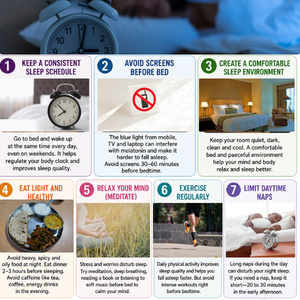
Adequate sleep leads to a healthier and happier life, and a better tomorrow.
(1) Keep a Consistent Sleep Schedule.
Remedies for Sleep. If you perform any task with a consistent routine, it yields returns that exceed even your highest expectations. However—while achieving any result naturally takes time—you must commit yourself to the task precisely during the specific time slot you have designated for it. Your body functions in much the same way: if you establish a specific sleep routine for your physical well-being, sleep will inevitably come at that scheduled time—no matter how much stress or tension you may be experiencing. Remedies for Sleep.
(2)Avoid Screens Before Bed.
Remedies for Sleep.
Remedies for Sleep. In today’s modern era, we often find ourselves having to perform official work from home, simply because the pace of work has accelerated so significantly. In the past, all tasks were performed manually, and office work remained confined to the office premises. However, nearly all work has now gone digital; consequently, we are required to perform our duties on screens—utilizing devices such as computers, laptops, and mobile phones.
We work while we are at the office; yet, if any task remains unfinished by the end of the workday, we are compelled to complete it at home. This intrusion into our daily personal lives disrupts our routine and, as a result, adversely affects the quality of our sleep.
Given this situation, if you wish to ensure a good night’s sleep, you should step away from screens at least 30 minutes before going to bed and consciously shift yourself into a relaxed state of mind. If you switch off your screen and immediately attempt to go to sleep, you will likely struggle to achieve proper rest. This is because viewing a screen keeps the brain in an active state for up to half an hour afterward; consequently, even while attempting to sleep, you may feel as though you are still engaged in work, leading to frequent interruptions in your sleep throughout the night.
(3) Create a Comfortable Sleep Environment.
Remedies for Sleep.
It is often said that a bed should be comfortable; however, when your mind is calm and free of worries, the bed itself holds no significance for sleeping. Every individual has their own distinct preferences and tastes, which are often shaped by the kind of family background they come from, leading them to become accustomed to specific habits and choices.
Society comprises all kinds of people. For some, sleep remains elusive without a comfortable bed; if merely a sheet is spread out for them, they may find it irritating or “prickly,” causing them to remain restless throughout the night. Consequently, such individuals require a well-appointed and comfortable bedroom environment. Conversely, there are those who find it impossible to sleep on a heavily padded or soft mattress, simply because their bodies do not respond well to that specific type of bedding. That said, if sleeping on such a bed becomes part of their daily routine for a few days, their bodies will eventually adapt and accept it.
(4) Eat a light, protein-rich dinner.
Remedies for Sleep.
If you wish to sleep peacefully and get a full night’s rest, you should keep your dinner light so that you do not find yourself tossing and turning throughout the night. We should opt for a light meal because, while we are asleep, our body remains in a state of rest; consequently, the liver has to work much harder to digest the food. When the liver is forced to work excessively, it leads to fatigue, which can disrupt your sleep. Occasionally, consuming a particularly heavy dinner can even result in loose motions, thereby ruining your entire day. Therefore, it is advisable to eat a light dinner to avoid facing any such complications.
(5) Relax Your Mind.
Remedies for Sleep. There are numerous health-related reasons why we should calm our minds before going to sleep; however, one crucial factor is that mental peace is absolutely essential for ensuring a good night’s rest.
When we spend the entire day working—or remain intensely occupied with specific tasks—our mind continues to process and record the day’s activities even as we sleep. This can lead to various nocturnal behaviors, such as talking in one’s sleep, among other manifestations.
Therefore, make it a practice to calm your mind about half an hour before bedtime. An effective method for achieving this tranquility is through meditation. This practice helps quiet the mind, allowing you to mentally reassure yourself: “I am now going to give you a rest; we will address all the tasks performed throughout the day tomorrow. “Remedies for Sleep.
(6) Exercise Regular
Remedies for Sleep. Yes, when we engage in daily exercise—including yoga—the body’s biological clock becomes balanced. As a result, you begin to fall asleep at the right time each night, and your sleep becomes deeper. This ensures that you wake up to a good morning.
Here is how exercise helps:
It reduces stress: Exercising lowers stress hormones while increasing “feel-good” hormones. This helps maintain the body’s overall activity and equilibrium.
It induces fatigue: When you exercise, your body remains physically active; consequently, you naturally feel sleepy at night. Since the sleep is deep, your body is able to rest and recover completely.
It calms the mind: Repeating this routine daily helps reduce anxiety and overthinking. This leaves you feeling mentally free, allowing you to achieve a full and restful sleep.
It improves your daily routine: Essentially, this means you tend to go to bed earlier at night and wake up earlier in the morning.
Which exercises should you do?
In the morning, walking or jogging is most beneficial; you should aim for 30 to 35 minutes.
Light yoga or stretching is also essential, as it helps keep the body’s internal systems active.
Cycling or gym workouts can also prove to be highly beneficial.
Points to keep in mind:–
You should avoid doing heavy exercise right before bed; instead, aim to complete your workout 2 to 3 hours prior to sleeping.
You should perform your exercises at the same time each day to maintain a consistent routine.
Even 20 to 30 minutes of activity is beneficial for your body.
What should a bedroom be like for sleeping?
Remedies for Sleep.
Remedies for Sleep.
If you wish to enjoy a good night’s sleep, arrange your bedroom in the following manner:
First and foremost, the room’s environment should be clean, tidy, and peaceful.
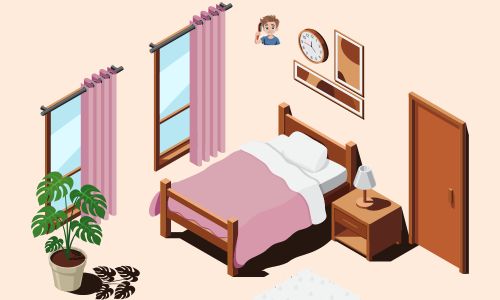
Avoid cluttering the bedroom with unnecessary items, as excessive objects tend to keep the mind occupied and can interfere with sleep.
Lighting
Remedies for Sleep. The lighting in the room has a significant impact on sleep; therefore, keep the illumination very soft—nothing that strains the eyes. Opt for gentle hues, such as a soft blue or pale yellow—essentially, choose whatever color you prefer, provided the lighting remains subdued.
Bed and Mattress
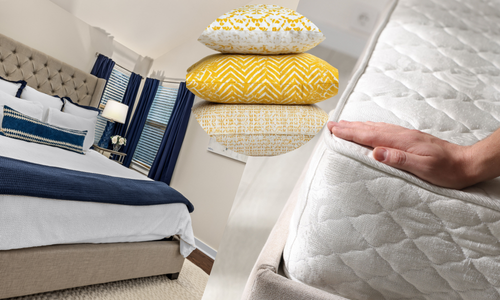
Remedies for Sleep. Both your bed and mattress should be comfortable. A high-quality mattress and pillow provide proper support to the body, facilitating deeper sleep and allowing the body to rest and recover. Select a bed and mattress combination that helps alleviate fatigue and ensures you get a full, restorative night’s sleep.
We have curated a selection of beds and mattresses designed to enhance your bedroom and ensure a restful night’s sleep—options that prioritize comfort and won’t compromise the quality of your rest.
You can access complete details by clicking on the provided link.
Temperature
Remedies for Sleep. The temperature in your bedroom should be neither too cold nor too warm, as extreme temperatures—whether excessively cold or hot—can negatively impact sleep quality. Generally, a well-ventilated room is considered ideal for promoting good sleep.
Tranquility
As we prepare to sleep, the bedroom should be absolutely quiet. A peaceful environment, free from noise and disturbances, significantly improves the quality of sleep.